Hotshot Trucking Ontario
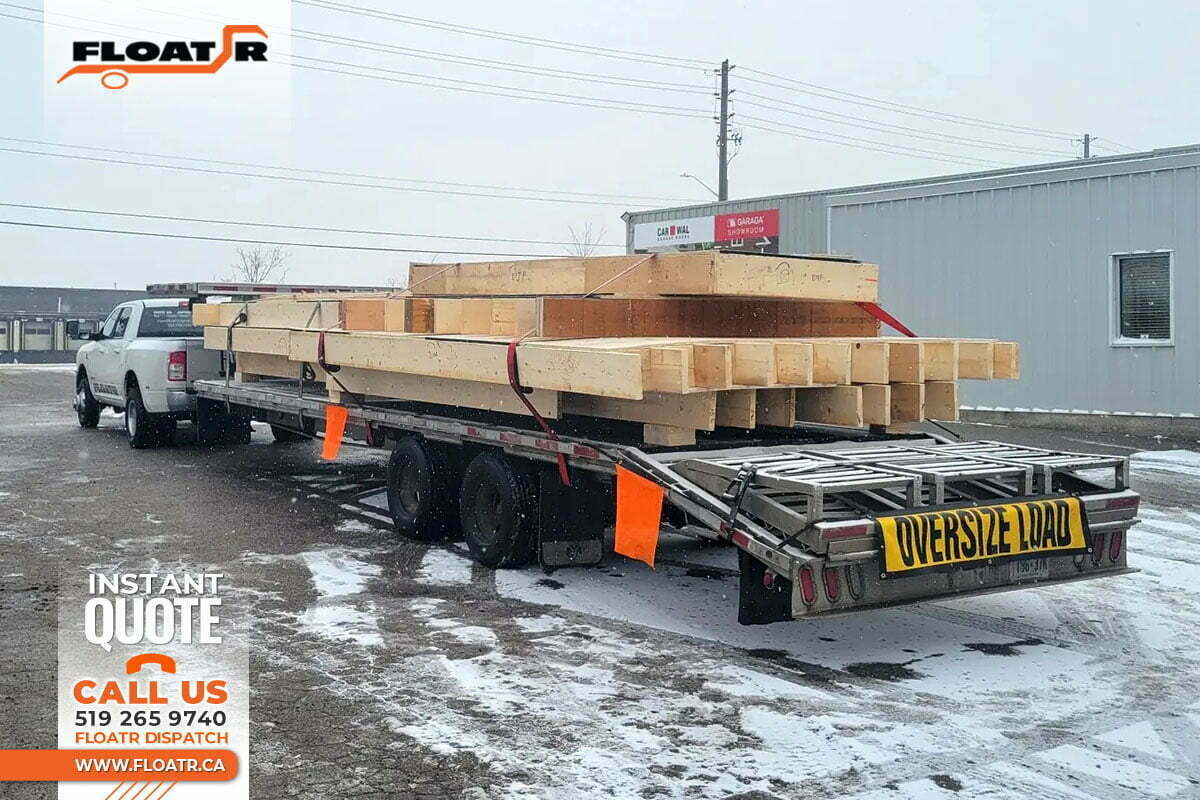
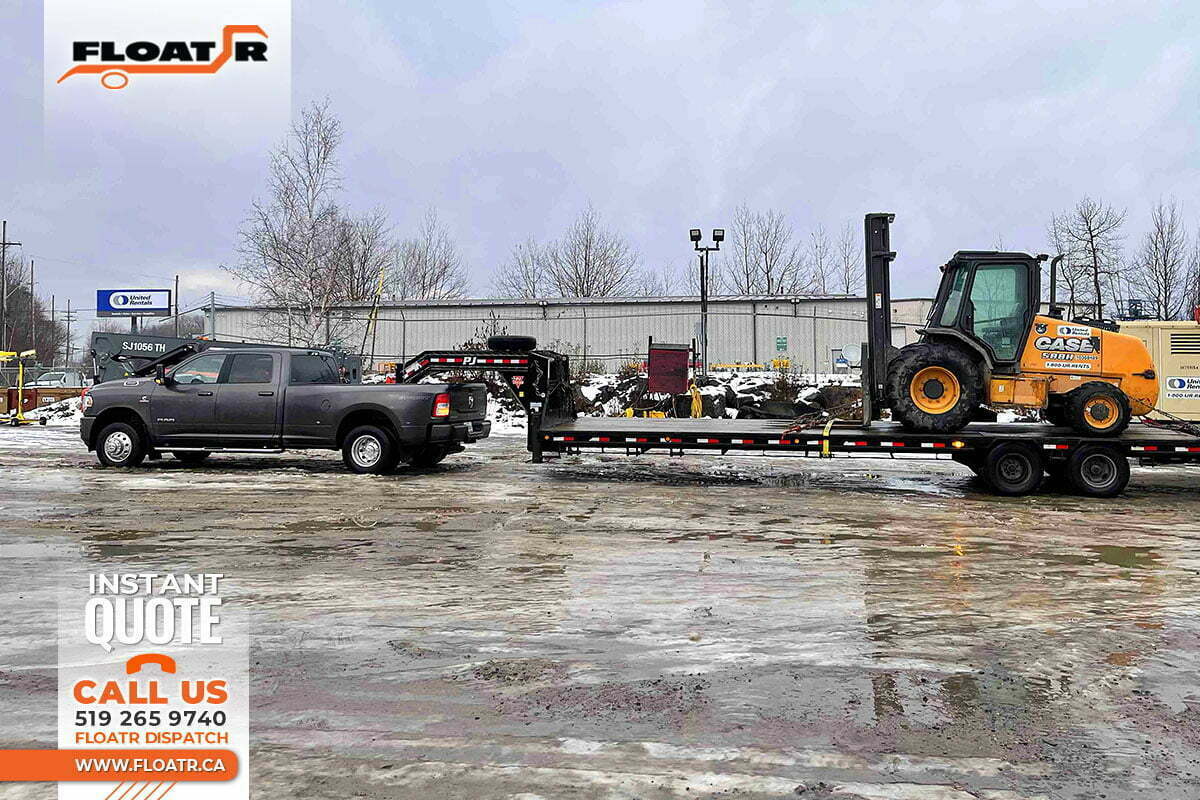
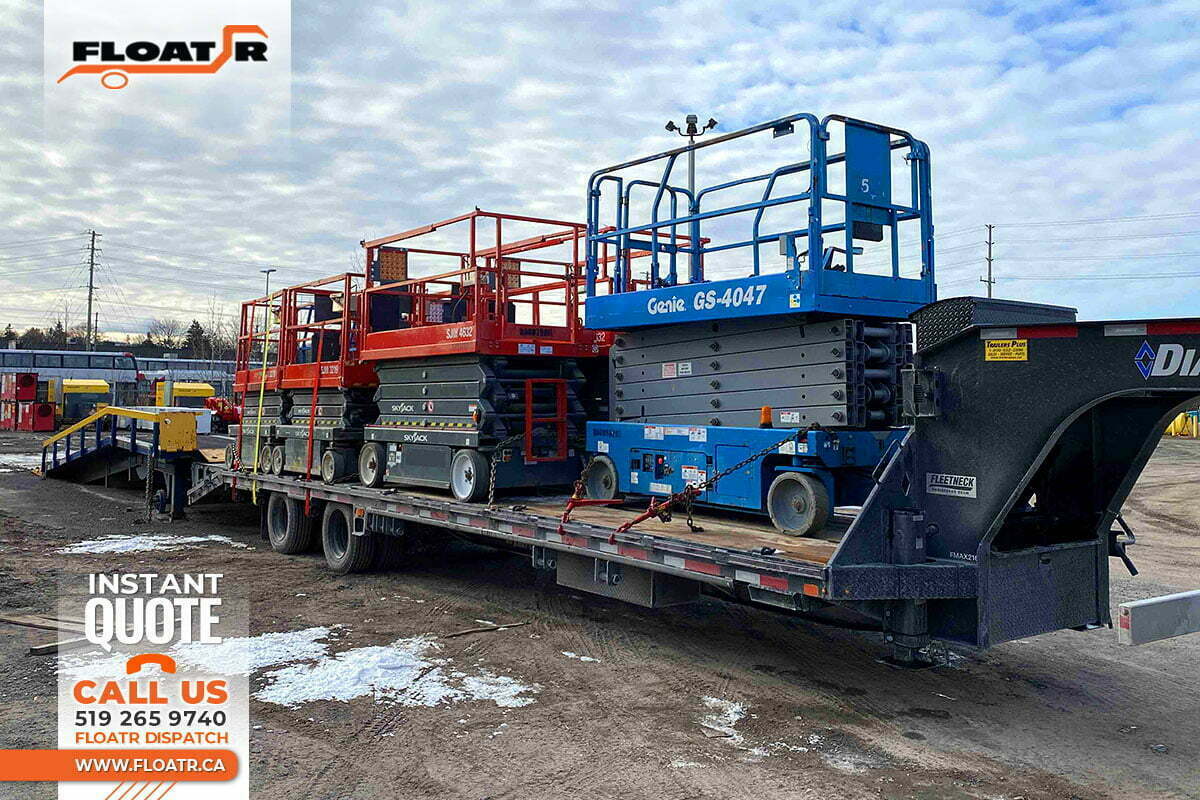
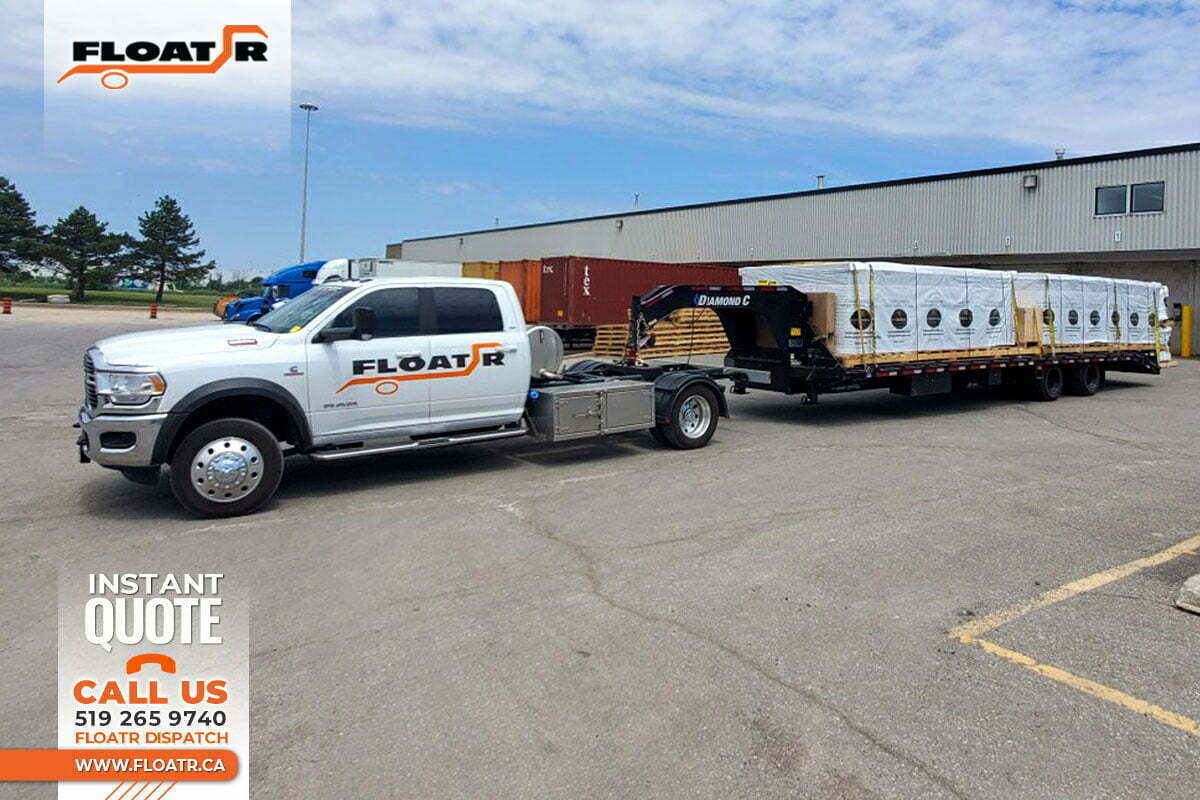
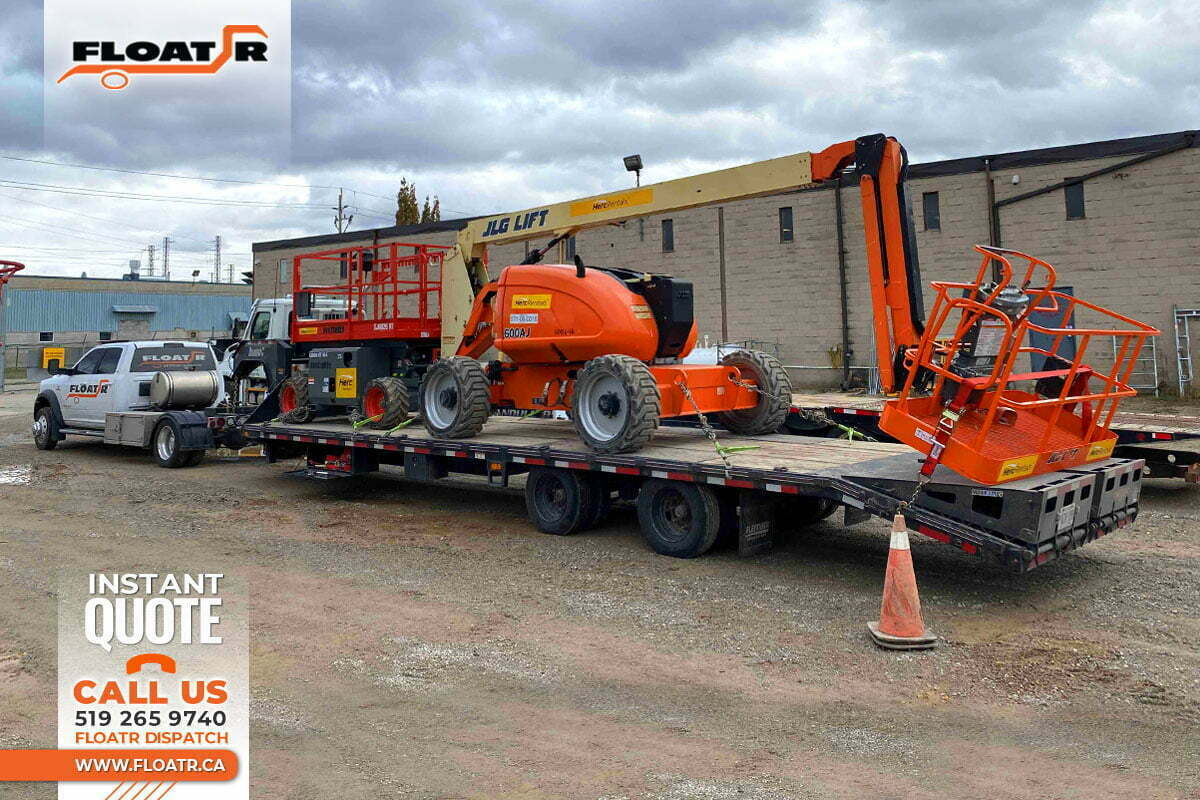
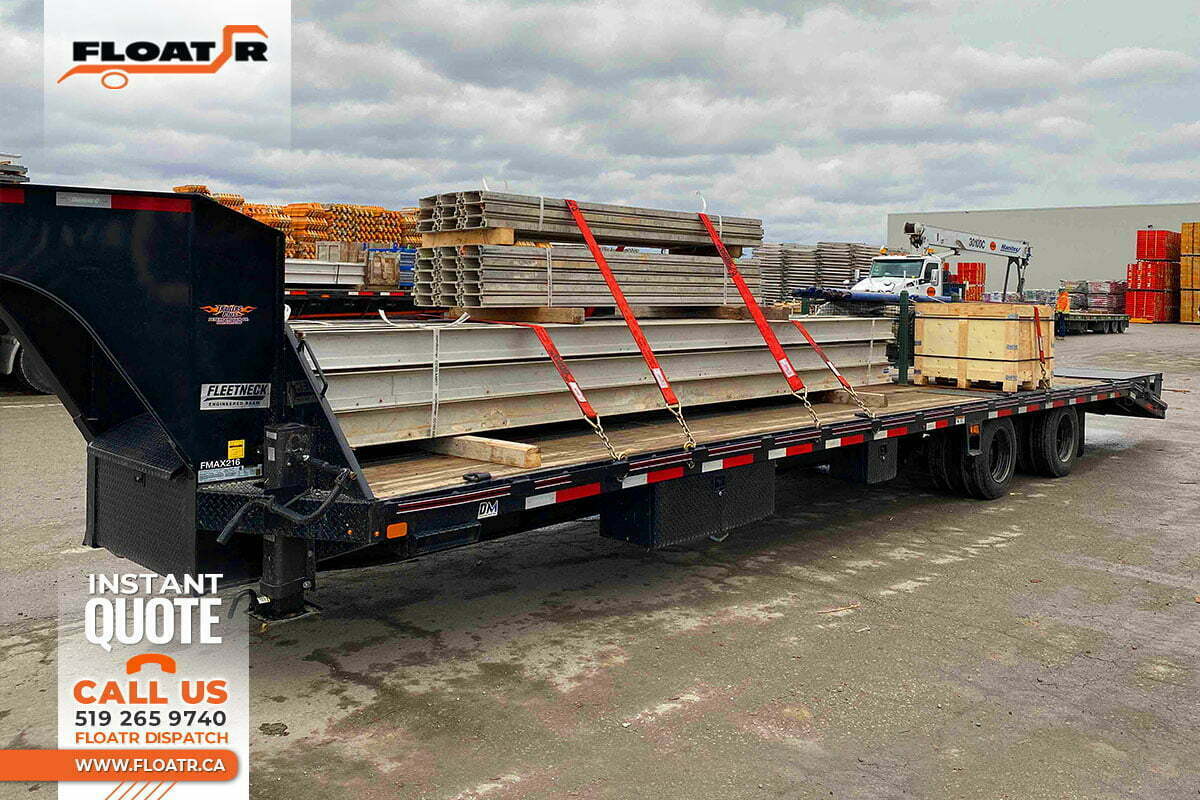
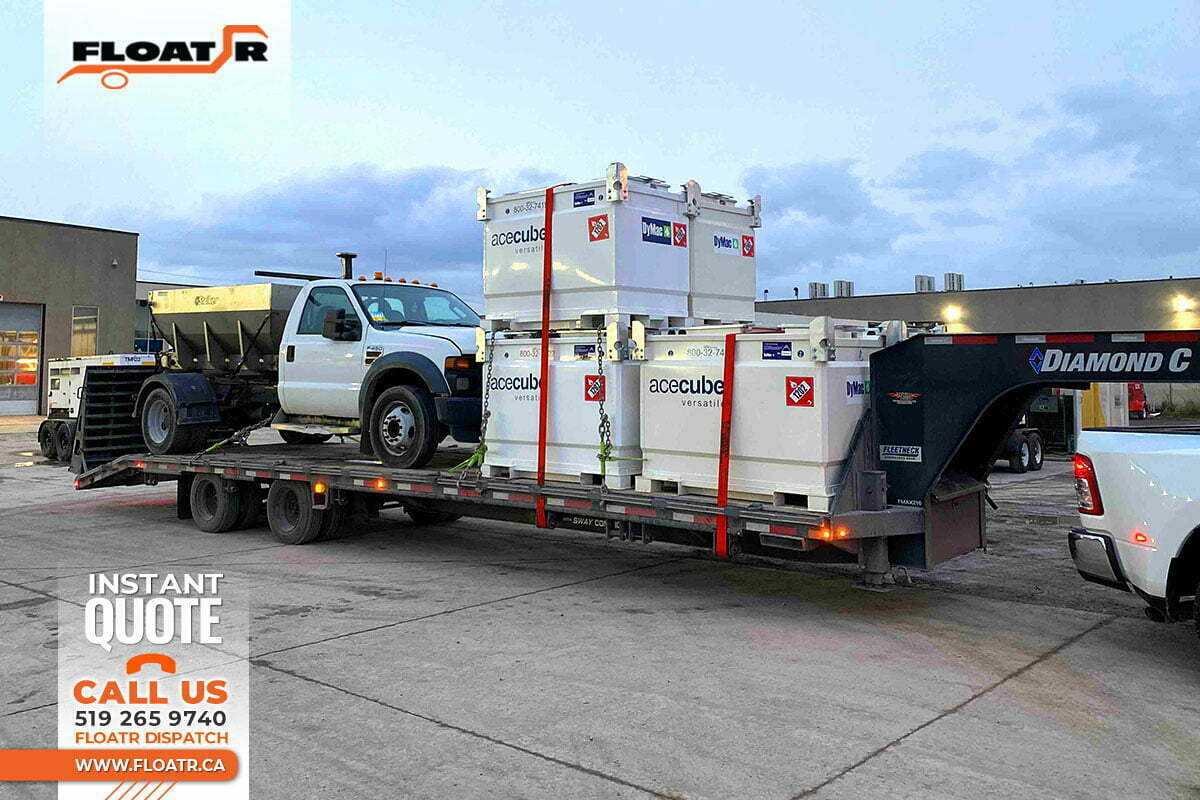
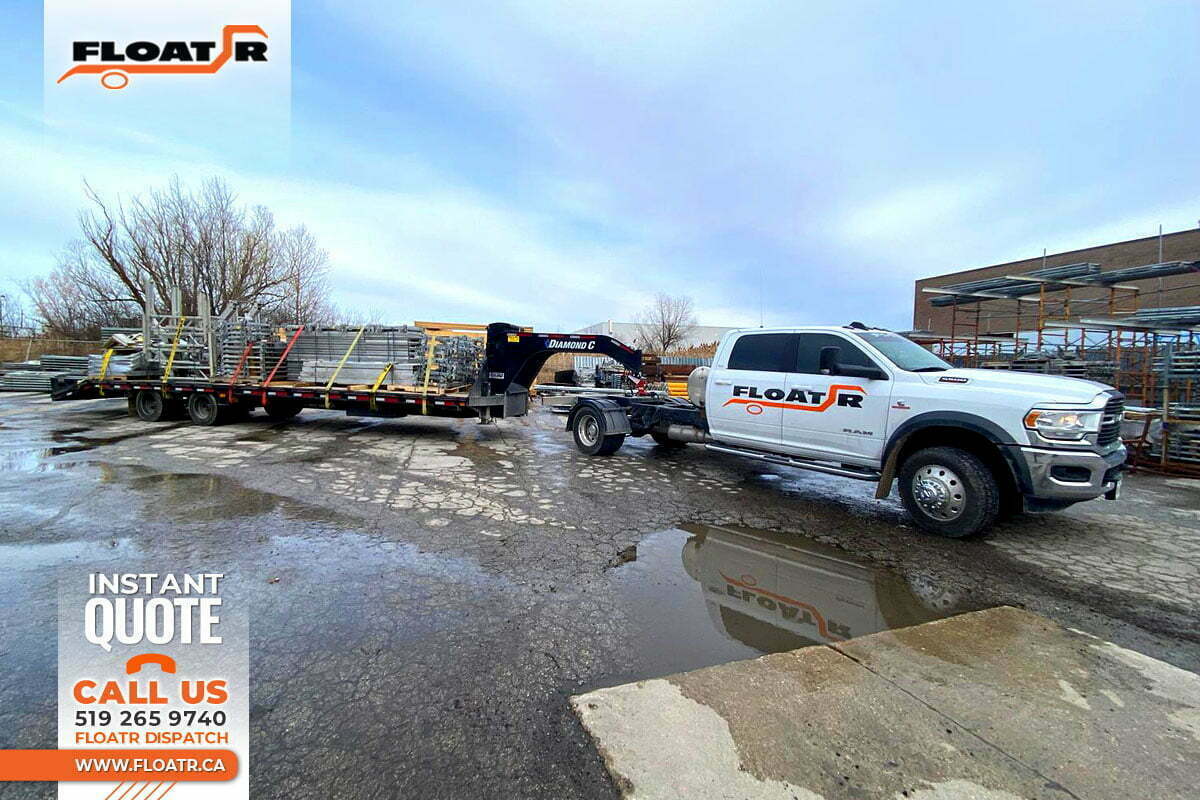
FLOATR team will handle your hotshot hauling needs. We ship all over Ontario and handle every step from planning, pickup, and delivery, including custom infield services. All our drivers are very experienced, fully insured, licensed, and got the necessary permits to comply with any hotshot hauling freight.
FLOATR INC team will handle any hotshot transport needs all over Ontario. It is the case the hot shots will travel directly from the pick-up point to the delivery point. Moreover, we will give you transit times and an estimated arrival time right away and we’ll keep you updated throughout transit.
Cities We Service
Toronto, Ontario
From downtown Toronto to North York, Scarborough, Etobicoke, Mississauga, and the Greater Toronto Area, Floatr delivers dependable service year-round. Backed by experienced drivers and modern equipment, Floatr keeps Toronto’s freight moving safely, efficiently, and right on schedule!
Ottawa, Ontario
From downtown Ottawa to Kanata, Nepean, Orleans, and surrounding rural areas, we provide dependable service year-round, even during harsh winter conditions the region is known for. Whether you’re moving a single pallet or an oversized load, our hotshot trucking services in Ottawa keep your freight moving safely, efficiently, and on schedule.
Hamilton, Ontario
Our Hamilton based hotshot trucking company provides reliable, time-sensitive transportation for equipment, construction materials, industrial parts, and urgent commercial freight. Hotshot trucking is the ideal solution for businesses that need flexible, on-demand delivery without the delays of traditional freight services.
London, Ontario
Serving downtown London, White Oaks, Hyde Park, Byron, and surrounding communities, Floatr ensures your freight moves safely and on schedule year-round. With direct access to major highways and cross-border trade routes, Floatr helps keep London’s supply chains moving efficiently across Ontario and beyond!
Guelph / Kitchener, Ontario
From downtown Guelph to Kitchener, Waterloo, Cambridge, and surrounding industrial parks, Floatr provides dependable service year-round. With experienced drivers and modern equipment, Floatr keeps freight moving safely, efficiently, and on schedule across Southwestern Ontario and beyond!
Windsor, Ontario
Serving Windsor, Tecumseh, LaSalle, Essex County, and surrounding industrial zones, Floatr ensures your freight moves safely, efficiently, and on schedule. With cross-border experience and dependable service, Floatr keeps Windsor’s freight moving without delays.
Sudbury, Ontario
Serving Sudbury, Nickel Centre, Val Caron, Hanmer, and surrounding Northern Ontario communities, Floatr provides year round service even in demanding weather conditions keeping critical freight moving safely and on schedule.
Barrie, Ontario
Serving Barrie, Innisfil, Orillia, Angus, and surrounding Simcoe County communities, Floatr delivers dependable year-round service. With experienced drivers and modern equipment, Floatr keeps freight moving safely, efficiently, and on schedule across Central and Northern Ontario.
Kingston, Ontario
Serving Kingston, Napanee, Gananoque, and surrounding Eastern Ontario communities, Floatr delivers year-round service with a focus on safety, efficiency, and on-time performance keeping Kingston’s freight moving smoothly across Ontario and beyond!
Niagara Falls, Ontario
Serving Niagara Falls, St. Catharines, Welland, Fort Erie, and surrounding Niagara Region communities, Floatr delivers dependable year-round service keeping critical freight moving safely, efficiently, and on schedule.
North Bay, Ontario
Serving North Bay, Nipissing District, Temagami, Mattawa, and surrounding Northern Ontario communities, Floatr delivers year-round service in all conditions keeping freight moving safely, efficiently, and on schedule.
Kapuskasing, Ontario
Serving Kapuskasing, Moonbeam, Opasatika, Smooth Rock Falls, and surrounding Northern Ontario communities, Floatr delivers year-round service built for northern conditions keeping essential freight moving safely, efficiently, and on schedule.
Parry Sound, Ontario
Serving Parry Sound, Carling, McDougall, Nobel, and surrounding Georgian Bay communities, Floatr delivers year-round service built for Ontario conditions. With experienced drivers and modern equipment, Floatr keeps freight moving safely, efficiently, and on schedule across Central and Northern Ontario.
Frequently Asked Questions
Check out our FAQ to see if your question is answered here. If you don’t see what you’re looking for below, feel free Contact Us with your question(s).
What is Hotshot Hauling?
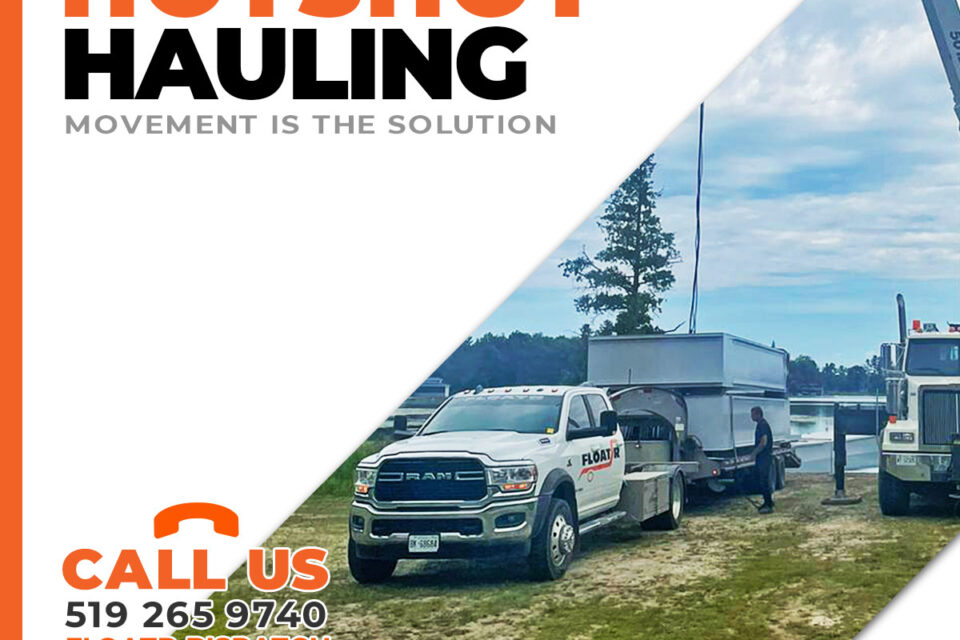
Hotshot hauling involves transporting smaller, more time-sensitive LTL loads within a specific time frame, and usually to a single customer or location. Hotshot loads are usually delivered using Dodge Ram 3500 or Ram 5500 trucks that pull flatbed trailers.
Hotshot loads may need to be delivered locally, or they may need to be delivered across the province. Customers sometimes request hotshot rigs because a larger truck and trailer rig would not be able to maneuver around the shipping or receiving location.
What is Payload
Payload is the weight of goods the truck can legally carry. There are maximum load limits set according to how many axles and tires the truck has, mostly to minimize road pavement damage and for safety. The payload = (legal maximum weight) – (tare (empty) weight).
What is GCWR?
Gross combined weight rating or GCWR is the maximum allowable weight of both the loaded tow vehicle and the loaded trailer that the tow vehicle can handle safely.
What is FTL Freight?
FTL refers to full truckload freight. FTL shipping is commonly used for large shipments that require taking up the entire truck, or at least close to it. With FTL, one shipper’s freight is the only freight moving on an individual truck so the shipper has exclusivity to the entire truck and is theoretically filling the truckload.
The truck can be reserved with its full capacity even if the load doesn’t require filling up the entire available space. Doing so would alleviate any worry the customer may have about the shipment changing hands at any time or being mixed in with other shipments. These shipments are sometimes just called “full loads.”
What is LTL Freight?
Less than load (LTL) freight is the transportation of products or goods that does not require a full truckload due to the smaller nature of the parcel. … LTL shipments are usually arranged on pallets and can range anywhere from 150 pounds to 10,000 pounds.
These shipments are sometimes called “partials.” Freight from multiple shippers can be on the same trailer rather than having a single company’s freight exclusively on an individual trailer. Several LTL shipments can be combined into one truck to fill it as near to capacity as possible.
What is a Load Board?
A load board (sometimes referred to as a freight board) is an online marketplace where truck owner-operators, shippers, and freight brokers can post and search for loads to keep freight moving. They also allow carriers to post their free equipment. These systems allow shippers and carriers to find each other and enter into agreements to move freight.
What is a Bill of Lading or BOL?
An itemized list of what a shipment contains.
What is POD or Proof of Delivery?
A POD is a signed document, usually the Bill of Landing, that documents the delivery of a load.